Philosophy
The tomato that learned how to think
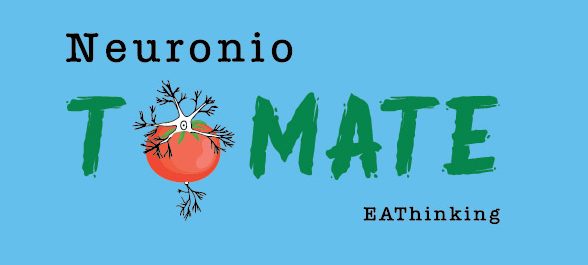
Neuronio Tomate is built around one symbolic image: a tomato with a neuron.
It is a playful idea, but it carries the whole spirit of the project. The tomato is simple, familiar and earthy. It belongs to the kitchen, to the soil, to family recipes and everyday meals. But once it creates a neuron, it becomes something else. It begins to think.
And when food begins to think, many questions appear.
Where does this ingredient come from?
Who grew it?
What did it cost the planet?
Why does this flavour remind me of childhood?
Can cooking be a form of care?
Can gastronomy help us imagine a different future?
Food is never neutral
Every meal carries choices. Some are personal, some are cultural, some are ecological. Food is connected to climate, labour, tradition, migration, pleasure, identity and memory.
This does not mean that every meal needs to become heavy or moralistic. Food should still bring joy. It should still comfort, surprise and seduce. But pleasure becomes richer when it is connected with awareness.
Neuronio Tomate does not want to preach. It wants to invite.
Sustainability with flavour
Sustainability should not taste like sacrifice. It should taste like creativity.
Plant-based cooking, seasonal ingredients, small producers, respect for leftovers and circular thinking can create food that is generous, beautiful and satisfying. Responsible gastronomy should not remove pleasure from the table. It should deepen it.
The experience of Comida Sustentável showed that another way of cooking is possible: ingredients from organic family farms, plant-based meals and leftovers returning to the soil. A full circle, like a quiet promise between the kitchen and the land.
Memory on the plate
Food is one of the strongest forms of memory. A smell can bring back a room. A sauce can bring back a grandmother. A handmade pasta can carry the history of migration, survival and Sunday rituals.
In Neuronio Tomate, cooking is not separated from biography. The personal story matters because it gives emotional texture to the work. Behind the project there are Brazilian roots, Italian family rituals, film studies in London, sustainable food work in Brazil, hotel kitchens in Austria and creative life in Berlin.
All of this becomes part of the flavour.
Cooking as storytelling
A menu can be structured like a film. It has rhythm, tension, silence, surprise and ending. A dish can be a scene. A table can be a stage. Ingredients can become characters.
This is why Neuronio Tomate looks at gastronomy as a form of storytelling. It is not only about what people eat. It is also about what they feel, remember and understand while eating.
If food could think, what would it ask?
Neuronio Tomate invites you to look at eating, cooking and creating from a different perspective.